Leave a Message

Thank you for your message. We will be in touch with you shortly.

Oceanfront CapEx Planning: Docks, Windows & Bulkheads

November 6, 2025

Salt air is hard on waterfront homes. If you own along the Ventura Keys or the Faria coast, you already know docks, windows, and bulkheads age faster here than inland. You want to avoid surprise failures and rushed repairs, and you want a plan that aligns with permits and contractor schedules. This guide gives you practical timelines, maintenance cycles, and permitting expectations so you can budget with confidence and schedule work at the right time. Let’s dive in.

Why plan CapEx on the coast

Ocean exposure accelerates corrosion, weathering, and wear. That means major components like docks, coastal-grade windows and doors, and shoreline armoring need earlier attention and more frequent inspections. You also face longer lead times because multiple agencies oversee work in and near coastal waters.

A simple rule of thumb helps. Inspect annually, plan replacements on a 3 to 5 year rolling horizon, and start permits months before you need to build. This reduces risk, protects property value, and makes resale smoother with documentation in hand.

Docks in Ventura: cycles and cues

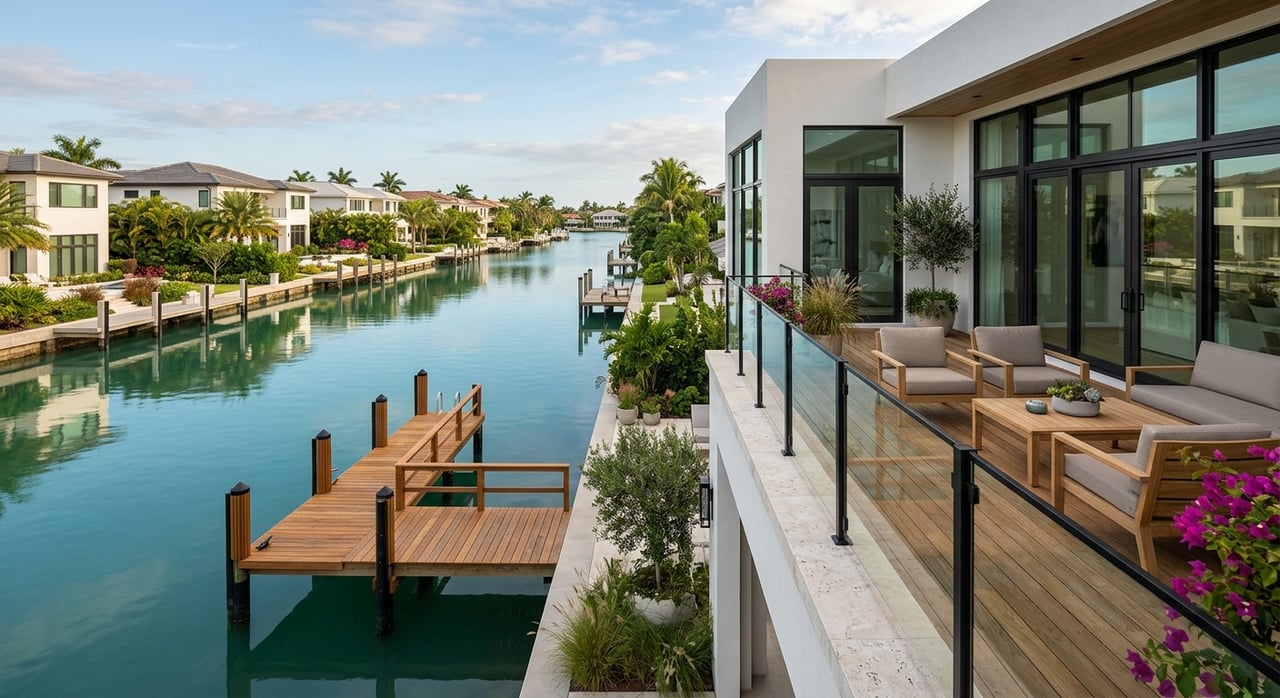
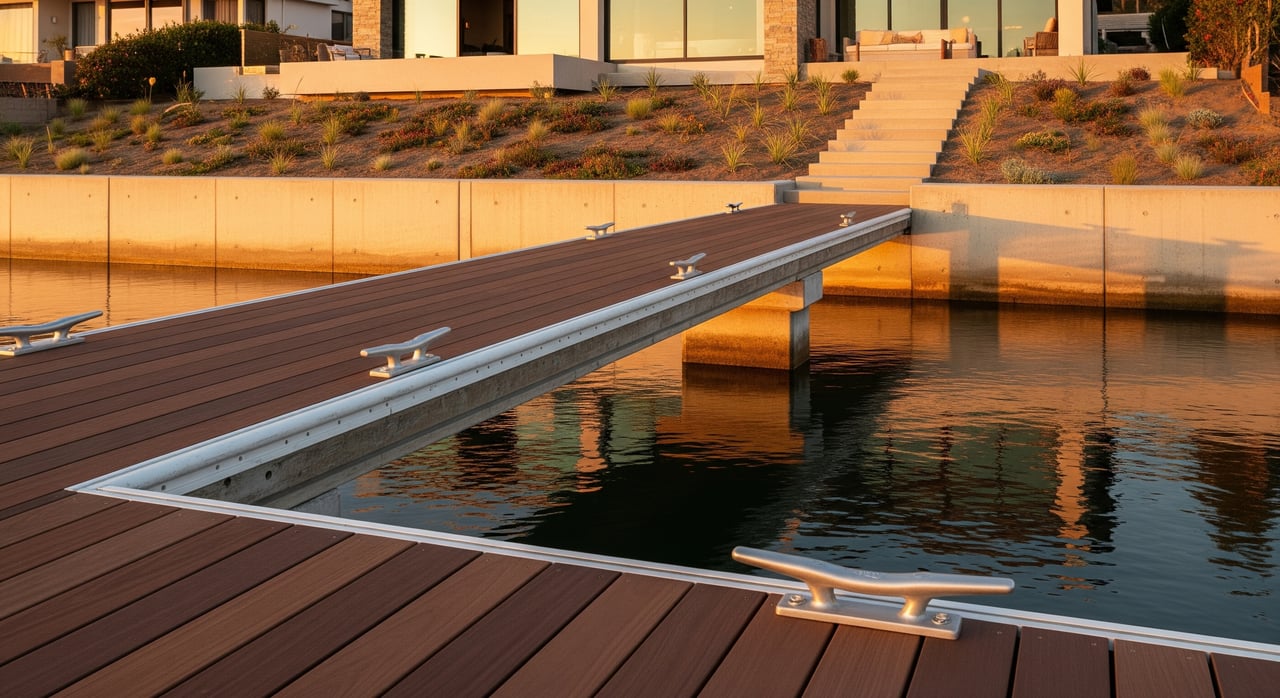
Ventura Keys canal docks and nearshore docks share common elements like piles, floats, decking, hardware, and access ramps. Salt, UV, and tidal action work on each of these differently, so pacing your maintenance matters.

  • Inspections

    • Quick visual check yearly, and after significant storms.
    • Full structural inspection by a marine contractor or engineer every 3 to 5 years.
  • Typical maintenance and replacement windows

    • Fasteners and hardware: 1 to 10 years. Stainless steel 316 is recommended for corrosion resistance.
    • Decking boards: 5 to 20 years depending on material. Composite or plastic generally lasts longer than treated wood.
    • Floats and membranes: 10 to 25 years based on exposure and quality.
    • Piles: treated timber often 20 to 40 years before major repair or replacement. Concrete or steel can last longer if properly protected from corrosion.
    • Mechanical systems like winches and lifts: 10 to 15 years, sometimes sooner with constant salt exposure.
  • When to upgrade

    • Visible deterioration or safety concerns, changes in boat size or weight, insurance requirements, regulatory updates, or when adding utilities.
  • Cost drivers to watch

    • Barge access, staging space, permitting and mitigation needs, dredging, materials, and contractor mobilization all influence cost.

Coastal-grade windows and doors

Windows, sliders, and balcony doors on the coast face salt spray, windborne grit, UV, and higher wind loads. Frames, seals, and hardware are where most failures begin.

  • Materials and components

    • Frames: marine-grade aluminum with protective coating, anodized aluminum, fiberglass, or vinyl. Avoid untreated steel. Use stainless steel 316 hardware for durability.
    • Glass: tempered or laminated as required by code and exposure. Low-E coatings are usually required by energy code.
    • Seals and flashing: plan periodic resealing to prevent water intrusion and rot around openings.
  • Maintenance and replacement timing

    • Reseal and repaint: every 3 to 7 years depending on exposure.
    • Hardware like rollers, locks, and tracks: 5 to 15 years.
    • Full replacements: commonly 15 to 25 years in high salt environments, longer with premium systems and diligent care.
  • Permits and code basics

    • Like-for-like replacements typically need a building permit in California. Structural changes or larger openings require full plan review and energy code compliance.
  • Cost drivers

    • Performance glass, custom sizes, corrosion-resistant frames and hardware, and installation logistics such as balcony or scaffold access.

Bulkheads and shoreline protection

Shoreline armoring ranges from timber bulkheads to steel sheet pile, cast-in-place concrete, and rock revetments. Faria and other oceanfront areas often rely on these to protect upland structures from wave energy and erosion.

  • Lifespan planning

    • Timber bulkheads: often 20 to 40 years, shorter with heavy wave exposure.
    • Steel sheet pile with protection and a concrete cap: 40 to 75 years or more if well designed and maintained.
    • Rock revetments: highly variable but can perform for decades with periodic maintenance.
  • Inspections and repairs

    • Annual visual checks and storm follow-ups, plus structural evaluations every 3 to 7 years.
    • Localized repairs may be needed every few years. Major rehabilitation aligns with end of design life or when overtopping or undercutting occurs.
  • Policy context you should know

    • California permitting emphasizes limiting new shoreline armoring where feasible and evaluating sea-level rise and alternatives. Expect careful review, especially for new structures.
  • Cost drivers

    • Geotechnical conditions, wave energy, access for heavy equipment, material choices, and permit or mitigation requirements.

Permitting roadmap in Ventura

Waterfront projects commonly involve several agencies. Not every project will require all approvals, but most need a local building permit and, for in-water work, state and federal permits.

  • Local

    • City of Ventura Planning and Building & Safety for in-city parcels, including Coastal Development Permits in coastal zones.
    • Ventura County Planning and Building & Safety for unincorporated areas, including Coastal Development Permits.
  • State and federal

    • California Coastal Commission for certain coastal permits or appeals, guided by Coastal Act policies and sea-level rise guidance.
    • California Department of Fish and Wildlife for Streambed Alteration Agreements where applicable.
    • U.S. Army Corps of Engineers for work in navigable waters or dredge and fill.
    • Regional Water Quality Control Board for 401 Water Quality Certification and construction stormwater requirements.
    • State Lands Commission if state tide and submerged lands are affected. Federal wildlife agencies may consult on listed species.
  • Typical lead times

    • Surveys and geotechnical studies: 1 to 3 months.
    • Biological surveys and reporting: 1 to 3 months, with seasonal limits.
    • Simple local permits like like-for-like windows: 2 to 8 weeks.
    • CDFW agreements: about 60 to 180 days.
    • USACE permits: nationwide permits can be faster, individual permits often 6 to 12 months or more.
    • RWQCB certifications: 1 to 6 months.
    • Coastal permits: minor projects can be handled locally, while Commission hearings may add several months to over a year.

For major dock or bulkhead projects, plan 6 to 18 months for design and permitting before construction. Complex projects may take longer.

Seasonality and contractor schedules

In-water work often has seasonal windows to protect fish and habitat. In Southern California, many sites favor summer and fall for in-water activities, but you must confirm project-specific windows during permitting.

Marine contractors are busiest from late spring through early fall when sea conditions are typically calmer and windows are open. Lead times for reputable teams can run 3 to 12 months or more for large projects. Smaller jobs like window replacements or localized dock repairs can often be scheduled within weeks to a few months, although summer books up quickly.

A practical approach is to use winter for planning and permits, then build in the approved summer or fall window.

Sample timelines you can use

  • Small like-for-like window project

    • Start to finish: 1 to 3 months.
    • Steps: contractor quote, building permit, installation, final inspection.
  • Dock repair without pile replacement

    • Start to finish: 3 to 6 months.
    • Steps: site inspection, permit scoping with City or County and possibly CDFW, contractor scheduling, construction.
  • Major dock or bulkhead replacement

    • Start to finish: 9 to 24 months or more.
    • Steps: geotechnical and bathymetry, biological surveys, engineered design, multi-agency permit applications, contractor procurement, construction in permitted season, monitoring or mitigation if required.

Budget factors and contingencies

  • Permit fees and environmental compliance

    • Include permit fees, biological surveys, monitoring, and consultant costs in your budget.
  • Access and mobilization

    • Barges, cranes, and staging have meaningful costs. Canal access and tide timing can add complexity.
  • Materials

    • Marine-grade and corrosion-resistant products often cost more upfront but extend service life.
  • Policy and code

    • Some projects may need replacement rather than repair to meet current code or coastal policies. Plan for that possibility.
  • Unknowns

    • Subsurface surprises, contaminated sediments, or protected resources may trigger redesign or mitigation. Build timeline and cost contingencies.

Ventura Keys and Faria considerations

  • Ventura Keys

    • Many homes include private docks. Coordinate with neighbors or associations if work might affect navigation, dredging, or shared features. Plan barge access and staging early.
  • Faria and nearby oceanfront

    • Bluff stability, public access, and the emphasis on evaluating alternatives can make bulkhead projects more complex. Expect geotechnical requirements and close permit review.

Build a simple 3 to 5 year plan

You do not need to overcomplicate your CapEx plan. Keep a short list of components, inspection triggers, and target replacement windows. Update it each year after inspections or major storms.

  • Annual

    • Visual checks on docks, windows and doors, and shoreline protection. Photo-document conditions.
  • Every 3 to 5 years

    • Structural dock review, shoreline assessment, and a glazing tune-up with reseal as needed.
  • Replacement milestones

    • Docks: watch floats after 10 years, decking around 10 to 15 years depending on material, and piles as they approach 20 to 40 years.
    • Windows and doors: hardware at 5 to 15 years, full units at 15 to 25 years depending on exposure and quality.
    • Bulkheads and revetments: inspect for overtopping, settlement, or undercutting, and plan capital work as lifespans approach their typical ranges.

Permitting tips that save time

  • Start early with pre-application meetings to clarify requirements and avoid rework.
  • Align biological and geotechnical surveys with known seasonal windows.
  • Apply for concurrent permits where possible to shorten the overall timeline.
  • Prequalify contractors during permit preparation so they can advise on constructability and schedule.

Risk controls for peace of mind

  • Choose materials that resist corrosion and plan for future sea-level rise where feasible.
  • Keep organized records of inspections, permits, and work. This supports insurance claims and helps buyers at resale.
  • Build contingency into time and budget for regulatory review or mitigation.
  • Coordinate with neighbors on shared access, dredging windows, and staging to reduce conflicts and delays.

Ready to align your CapEx plan with the Ventura coastal calendar? The Palmieri Stein Group offers local insight and vendor connections to help you plan improvements that protect value and keep your lifestyle moving. Start your coastal home journey with the Palmieri Stein Group.

FAQs

How long do Ventura Keys docks typically last?

  • Most docks require component-level work on a cycle. Expect floats around 10 to 25 years, decking 5 to 20 years based on material, and timber piles at 20 to 40 years, with annual inspections and a structural review every 3 to 5 years.

Do I need a permit to replace coastal windows in Ventura?

  • Like-for-like window replacements commonly require a building permit in California. Structural changes or larger openings trigger full plan review and energy code compliance.

How far ahead should I plan a bulkhead or major dock project?

  • Start design and permitting 6 to 18 months before construction. Complex projects with multiple agencies or dredging often take 12 months or more before work can begin.

When is the best season for in-water work in Ventura?

  • Many projects favor summer and fall due to wildlife windows and calmer conditions, but specific in-water work windows are set during permitting and vary by site and species.

What materials work best for coastal-grade windows and doors?

  • Marine-grade or anodized aluminum, fiberglass, or vinyl frames paired with stainless steel 316 hardware perform well. Plan regular resealing and hardware service to extend life.

Experience the Difference

Your real estate journey deserves a dedicated partner. At the Palmieri Stein Group, we deliver world-class service with a focus on personalized guidance, data-driven decisions, and luxury marketing.