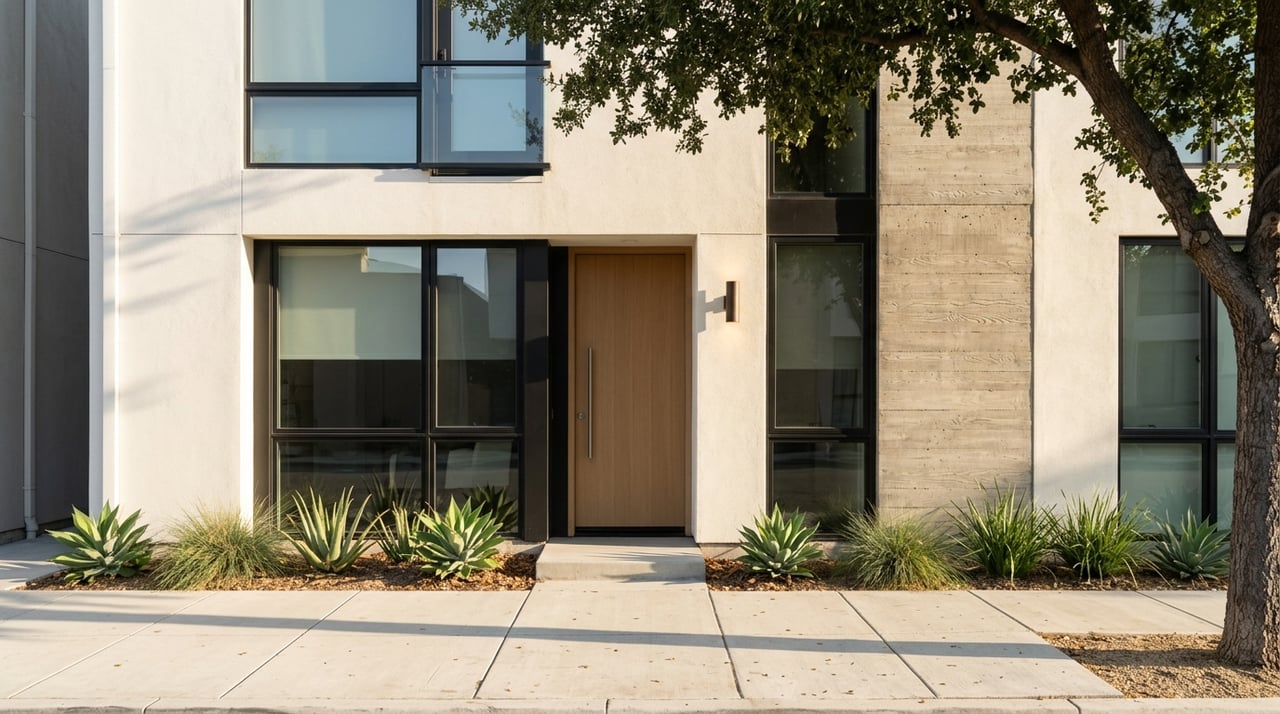
Downtown Or Midtown Ventura? How To Pick Your Neighborhood
April 23, 2026
April 23, 2026
Trying to choose between Downtown and Midtown Ventura can feel simple at first, until you start matching daily life to the map. You may want walkability, a central address, and easy access to everything Ventura offers, but the right fit often comes down to how you want to live day to day. This guide breaks down the real differences in housing, lifestyle, pricing, and neighborhood feel so you can narrow your search with more confidence. Let’s dive in.
If you want the shortest answer, Downtown Ventura is generally the more urban, pedestrian-focused option, while Midtown Ventura offers a more residential feel with central convenience.
According to the City of Ventura, Main Street Moves has kept Main Street and part of California Street closed to vehicle traffic since 2020, reinforcing Downtown as a pedestrian-focused destination. City planning documents also frame Downtown as a mixed-use district with residential, retail, and commercial uses, including some areas that allow taller buildings.
Midtown, by contrast, is better understood as a central residential transition zone. The city’s Midtown Corridors Code describes the area as a walkable mix of residential and neighborhood-serving commercial uses, with many pre-1950 neighborhoods, reasonably scaled blocks, and a strong single-family home base.
Downtown Ventura is the best fit if you picture a lifestyle built around walking to restaurants, local events, and the beach. It has the most urban feel among Ventura’s central neighborhoods, and it tends to attract buyers who value proximity and activity over larger lots.
The built environment reflects that lifestyle. The city’s planning framework allows for mixed-use buildings and more vertical development in parts of Downtown, which supports a denser, more compact neighborhood pattern than Midtown.
Downtown also has a transportation edge. In addition to nearly 2,000 downtown parking spaces and other parking options noted by the city, the Ventura-Downtown/Beach station at 39 E. Harbor Blvd. gives the area direct rail access that Midtown does not match as closely.
Midtown Ventura usually appeals to buyers who want a central location without living in the middle of the pedestrian core. You are still close to Downtown, but the day-to-day setting tends to feel more house-first and neighborhood-oriented.
City planning materials describe Midtown’s prevailing pattern as walkable streets, narrow roadways, porch and fence frontages, and detached homes that relate well to pedestrians. The same Midtown Corridors Code also allows some lower-scale infill forms, such as live/work and rowhouse buildings, in certain overlay areas.
In practical terms, Midtown often works well if you want central access while keeping a little more space and a more traditional residential setting. It can be a strong middle ground for buyers who want Ventura convenience without a condo-first environment.
Housing stock is one of the clearest differences between Downtown and Midtown Ventura.
Downtown tends to lean toward condos, apartments, mixed-use buildings, and a smaller number of larger historic or multifamily properties. Current Downtown Ventura market snapshots show condo-style and urban-core housing options that align with the area’s compact, mixed-use character.
If you are comfortable with less private outdoor space and want a lock-and-leave lifestyle, Downtown may line up well with your goals. It is often the better match for buyers who prioritize location and convenience over lot size.
Midtown is more closely associated with detached homes and a traditional neighborhood pattern. The city describes the interior parts of the area as prototypically single-family, which helps explain why Midtown often feels more residential and less development-focused than Downtown.
That does not mean change is absent. Some corridor areas allow compatible infill, but the guiding idea is to keep new development in scale with nearby homes rather than recreate a denser downtown form.
Price matters, but it helps to read neighborhood numbers carefully. The research sources use different metrics, including median listing price, median sale price, and home value index, so the figures are most useful as directional comparisons rather than exact apples-to-apples matches.
Here is how the latest snapshots compare:
| Neighborhood | Latest pricing snapshot | Inventory / pace |
|---|---|---|
| Downtown Ventura | Median home price $962,249 in December 2025; median sale price $820,000 in March 2026 | 16 active listings and 81 days on market in Realtor.com snapshot |
| Midtown Ventura | Median home price $1,295,000 in December 2025; home value index $1,033,171 as of March 31, 2026 | 27 active listings and 84 days on market in Realtor.com snapshot |
Based on these snapshots, Midtown sits at the higher end of the two on listing price, while Downtown shows tighter inventory. That lines up with each area’s identity: Midtown as a highly sought-after central residential neighborhood, and Downtown as a more limited urban-core option.
For some buyers, that means Downtown can offer a different value equation. You may trade interior space or lot size for walkability and proximity to the beach, dining, and events.
The best neighborhood is rarely the one with the most buzz. It is the one that fits your actual routine.
Downtown may be the better fit if you want to spend more time on foot, use transit regularly, and stay close to Ventura’s restaurant and event scene. The city’s pedestrian-focused downtown design and planned circulation improvements support that lifestyle.
If your ideal weekend includes walking to coffee, dinner, or the waterfront, Downtown is likely the stronger match. Buyers looking for a more compact home base often start here for that reason.
Midtown may be the better fit if your priority is a residential environment with central access. You are still positioned near major Ventura destinations, but the feel is usually calmer and more rooted in everyday neighborhood living.
This can be especially appealing if your routine revolves around central-city errands, access to health care, or nearby educational campuses. Ventura Unified School District recommends using its School Locator and district maps to confirm attendance areas by address, since boundaries can vary.
Even if your search starts with Downtown or Midtown, two nearby areas are worth keeping on your radar.
The Westside Community Council describes Westside as historic, eclectic, and community-oriented, with parks, schools, restaurants, and art spaces. For many buyers, Westside stands out for older homes, a long-established neighborhood identity, and a lower current price point than Midtown or Downtown.
Realtor.com’s March 2026 snapshot shows a median listing price of $799,000, with 28 active listings and 52 days on market. If neighborhood texture and value are high priorities, Westside may deserve a closer look.
The College Area Community Council describes this neighborhood as the area surrounding Ventura College, with educational institutions, parks, major retail, and two regional hospitals nearby. That makes it a useful option if your priorities center more on campus access, health care access, and everyday convenience than on living near Downtown.
Realtor.com’s February 2026 snapshot shows a median home price of $1,197,500, while Redfin’s March 2026 snapshot reports a median sale price of $1,073,500. For some buyers, College Area offers a practical central location with a different lifestyle profile than either Midtown or Downtown.
If you are stuck between neighborhoods, start with the trade-offs rather than the map.
Ask yourself:
In most cases, the pattern is pretty clear. Downtown is the most urban and pedestrian-focused. Midtown is the most centrally residential. Westside is more character-driven and value-conscious. College Area is especially practical for campus, hospital, and service access.
When you tour homes, it helps to compare not just the property but the rhythm of the surrounding blocks. That is often what makes the right neighborhood click.
If you are weighing Downtown, Midtown, or another central Ventura neighborhood, the team at Palmieri Stein Group can help you compare the lifestyle, housing options, and market context behind each one so you can move forward with clarity.
Stay up to date on the latest real estate trends.


Your real estate journey deserves a dedicated partner. At the Palmieri Stein Group, we deliver world-class service with a focus on personalized guidance, data-driven decisions, and luxury marketing.