Ventura Pier Oceanfront Condo Living Guide
March 5, 2026
March 5, 2026
What if your morning surf check and your favorite downtown coffee were just a short stroll apart? If you are drawn to Ventura’s California Street Beach and the Ventura Pier, you are looking at one of the city’s most walkable oceanfront condo pockets. In this guide, you will learn what the buildings are like, how parking and HOA rules work, where short-term rental rules stand, and how this area compares with Pierpont and Ventura Keys. Let’s dive in.
California Street meets the coast at California Plaza and the Ventura Pier, placing you steps from restaurants, a taproom, a gift shop, and a small oceanfront playground. The wide Ventura Promenade runs north from the Pier to Surfers Point and the Ventura River estuary, which locals love for walking, biking, and surf watching. For a neighborhood overview and map context, explore the Pier and C Street corridor in the Palmieri Stein Group’s neighborhood guide on California Street Beach and the Pier area.
If you value a car-light lifestyle, this micro-neighborhood is a strong fit. You can move between the beach, promenade, and downtown blocks quickly, with dining and shops close by. Local coverage highlights the Pier’s easy access and amenities, plus seasonal parking dynamics for visitors.
Explore the neighborhood overview and map
See local coverage of the Pier and promenade
Within a block or two of the Ventura Pier, you will see low-rise oceanfront and near-oceanfront condominium buildings, many from the 1970s and 1980s. A well-known example is The Buena Vista at 350 Paseo De Playa. Listings over time show many two-bedroom, two-bath floor plans, with some one-bedrooms and occasional three-bedrooms. Typical two-bedroom sizes often range roughly from 1,100 to 1,500 square feet, with orientation and renovation level driving value.
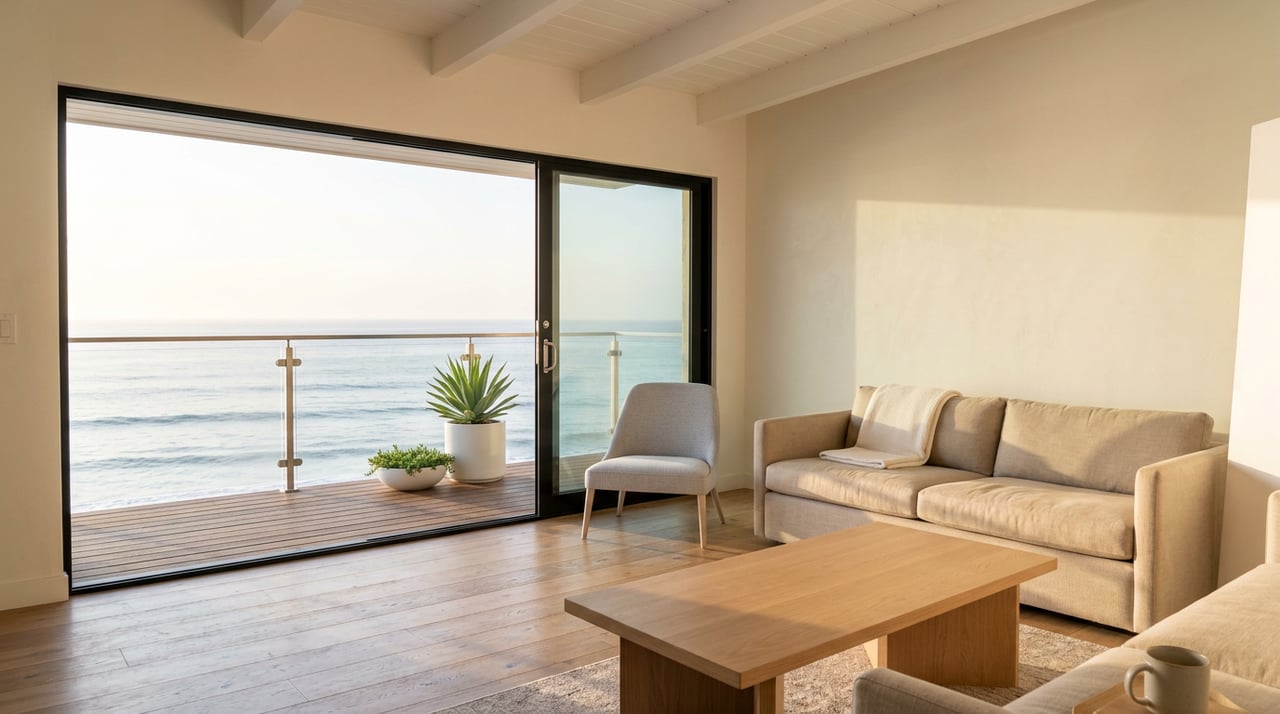
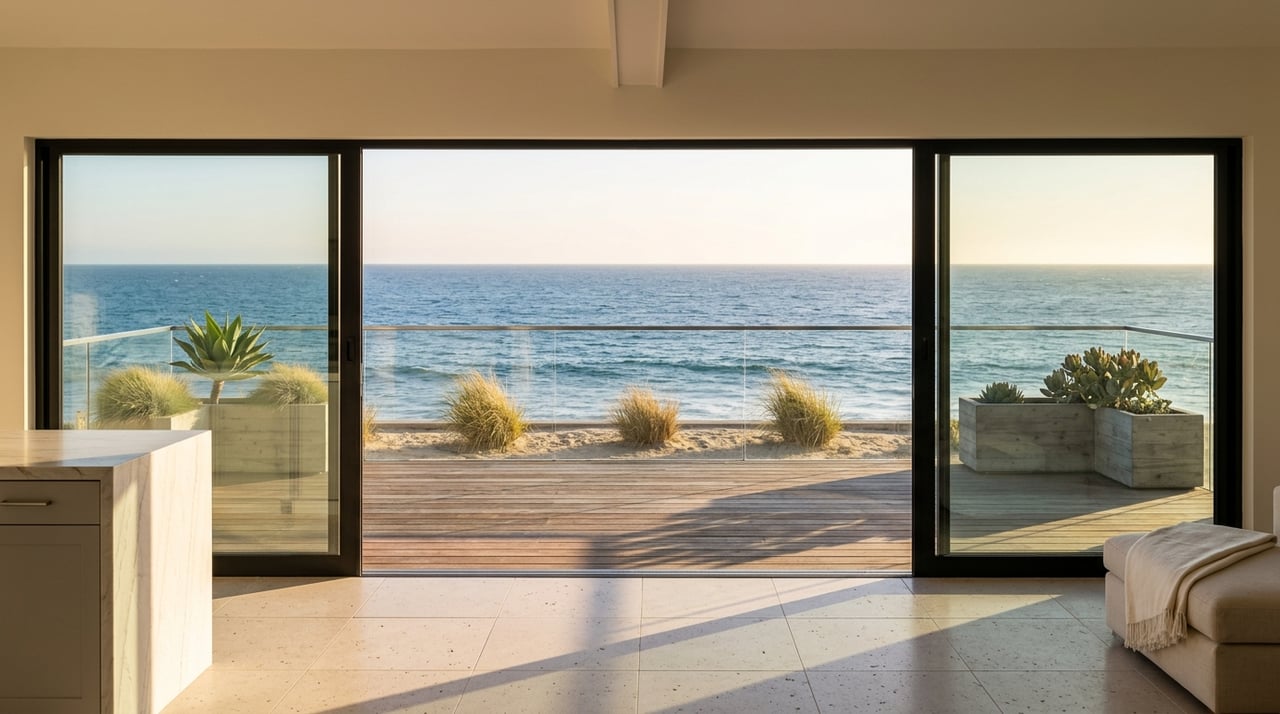
Amenities commonly marketed in this corridor include a heated pool and spa, a fitness room or sauna, and gated underground parking with storage. Many units offer balconies that capture ocean, pier, and promenade views. HOA dues can vary by unit and what they include, and recent listings in this building have shown a range around the low four figures per month. Top floors and corner residences tend to have the strongest views.
For residents, gated garage parking is a major benefit. Confirm whether spaces are deeded or assigned, how guest parking is managed, and whether EV charging is allowed or must be owner-installed with HOA approval. Storage lockers are common and help keep boards and beach gear organized.
For visitors, public parking near the Pier includes a Harbor Boulevard structure by the Crowne Plaza and a lot used for Surfers Point access near the fairgrounds. Availability tightens on summer weekends and during events. As a resident, you can often skip the car entirely for errands and dining. Multiple Paseo De Playa listings show a Walk Score in the high 70s, which translates to very walkable for daily needs.
Read local parking and Pier tips
See a sample Walk Score near Paseo De Playa
If surfing is part of your lifestyle, this is one of Ventura County’s most convenient condo zones. Surfers Point, also called C Street, stretches from the Pier north to the Ventura River and is known for consistent rights, longboard-friendly lines, and scenic promenade access. Conditions shift with wind and tide, and normal surf etiquette applies. The key for condo buyers is simple access. You can suit up at home and be on the promenade in minutes.
Learn more about C Street and local surf
If you plan to offset costs with short-term rentals, do your homework up front. The City of Ventura adopted an updated Short-Term Vacation Rentals and Homestays Ordinance on December 10, 2024. The ordinance takes effect only after the City’s Local Coastal Program Amendment is certified by the California Coastal Commission. While certification is pending, the City has paused new permits and is focusing enforcement on unpermitted rentals. Operating a legal short-term rental requires a City STVR permit, a business license, and paying a 10 percent Transient Occupancy Tax for stays under 30 days.
The ordinance includes defined areas and permit caps. For example, Area 2 (Downtown) has a cap of 100 permits, and Pierpont has lane-based caps tied to the number of homes on each lane. These caps matter for availability. If you want STR income, check whether a unit already has a valid permit and confirm if the City is accepting new applications.
At the building level, HOAs can regulate or prohibit stays under 30 days, even as state law limits broader rental bans. California’s AB 3182, now Civil Code 4741, sets boundaries around rental caps while allowing associations to prohibit transient stays of 30 days or less. In the coastal zone, HOA actions that affect intensity of use can trigger California Coastal Act review. Courts have held that HOA short-term rental restrictions in coastal areas may require Coastal Commission approval before they are enforced. In practice, confirm both City rules and your HOA’s recorded CC&Rs and any amendments.
Before you write an offer, line up these items early in your contingency period:
Request the full HOA package. Review CC&Rs, bylaws, house rules, recent meeting minutes, and any rental or guest registration policies. Look for references to short-term stays and how rules are enforced.
Review HOA financials. Ask for the current budget, the latest reserve study, any special assessments, and notes on upcoming exterior work such as balconies, railings, and waterproofing.
Confirm your parking and storage. Verify the number of assigned spaces, whether they are deeded or board-assigned, the guest parking policy, and rules for EV charging.
Verify STVR status with the City. Search the City’s registry and confirm if the unit or seller holds a valid permit. If you plan to rent short term, understand the local area caps and whether new applications are being accepted.
Check flood exposure and insurance. Pull the property’s FEMA flood map panel and get flood and wind quotes early. Keep the FEMA panel PDF in your escrow documents so your lender and insurer are aligned.
If STR income factors into value, request documentation. Ask for historical rental performance and any required Nuisance Response Plan filings. Confirm there is no open enforcement.
How to pull FEMA maps and start insurance quotes
Pier and California Street. Choose this pocket if you want a very walkable beachfront lifestyle, direct promenade access, and quick proximity to downtown dining. Most homes are low-rise condos, often two bedrooms, with amenities like pools, spas, and gated parking. Surf access is the clear draw.
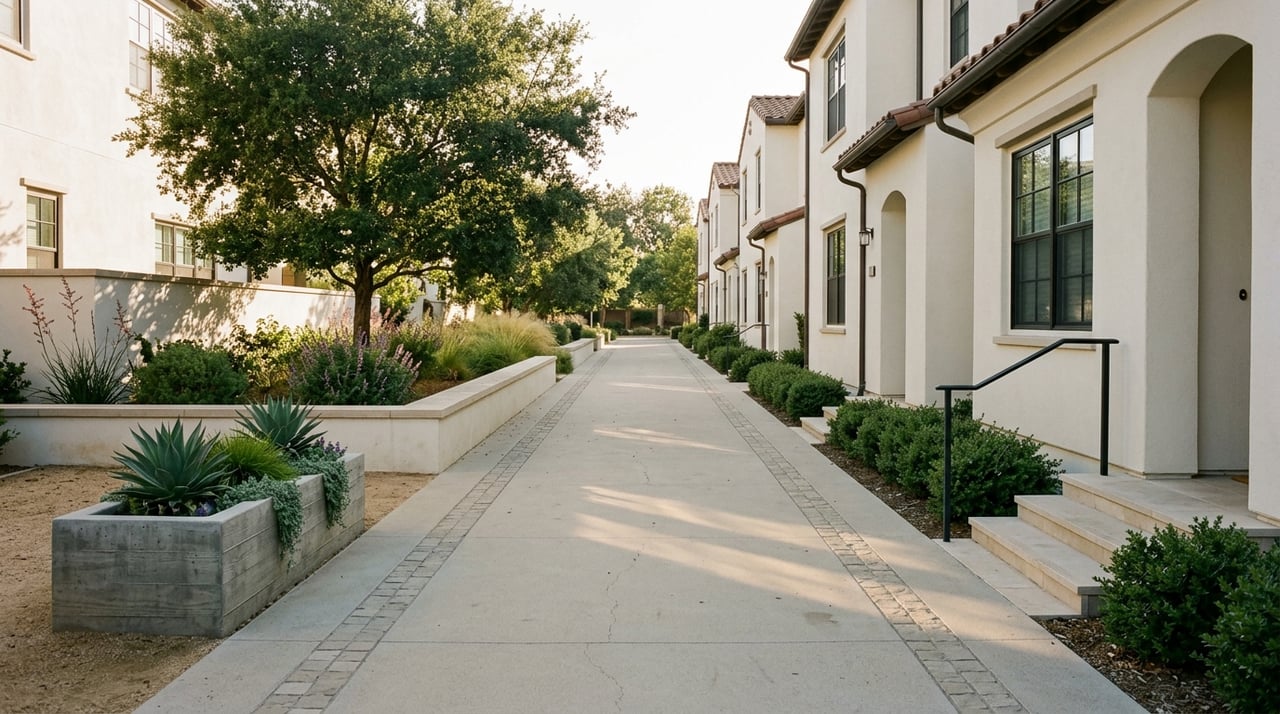
Pierpont Village. A primarily single-family beach neighborhood with strong local beach access and excellent bikeability. Under the City’s STR ordinance, Pierpont has its own area and lane-based caps, which matter if you plan to operate a short-term rental.
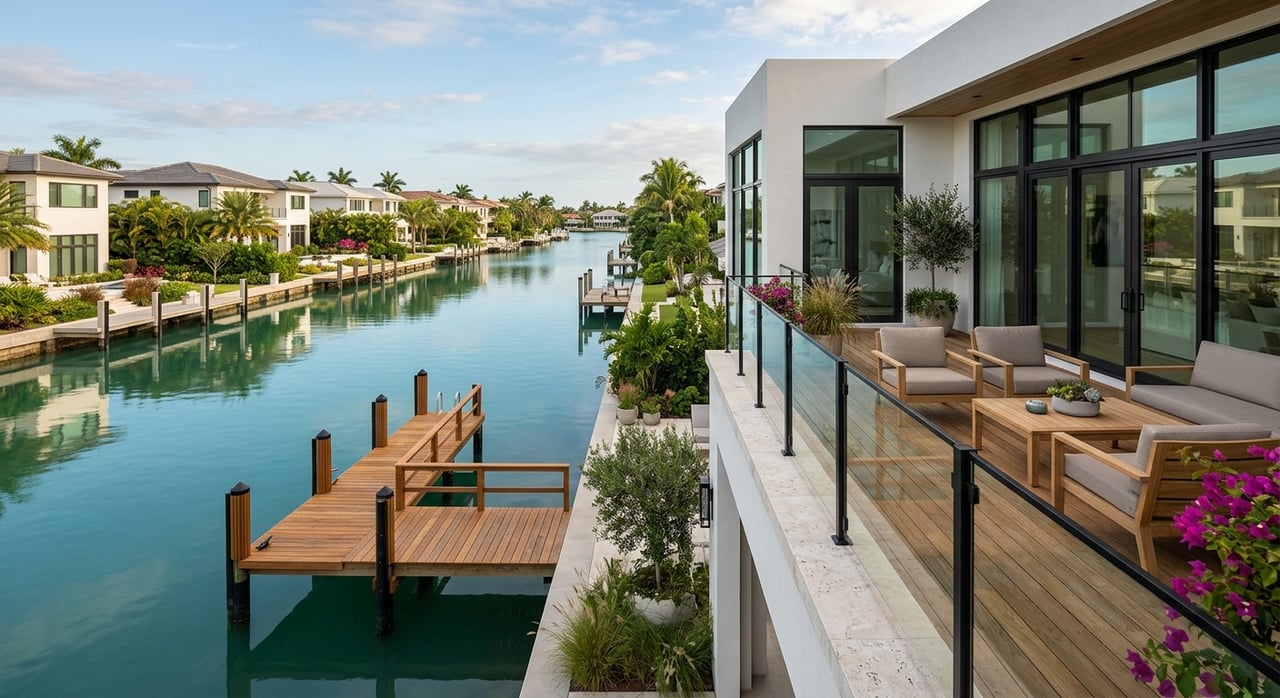
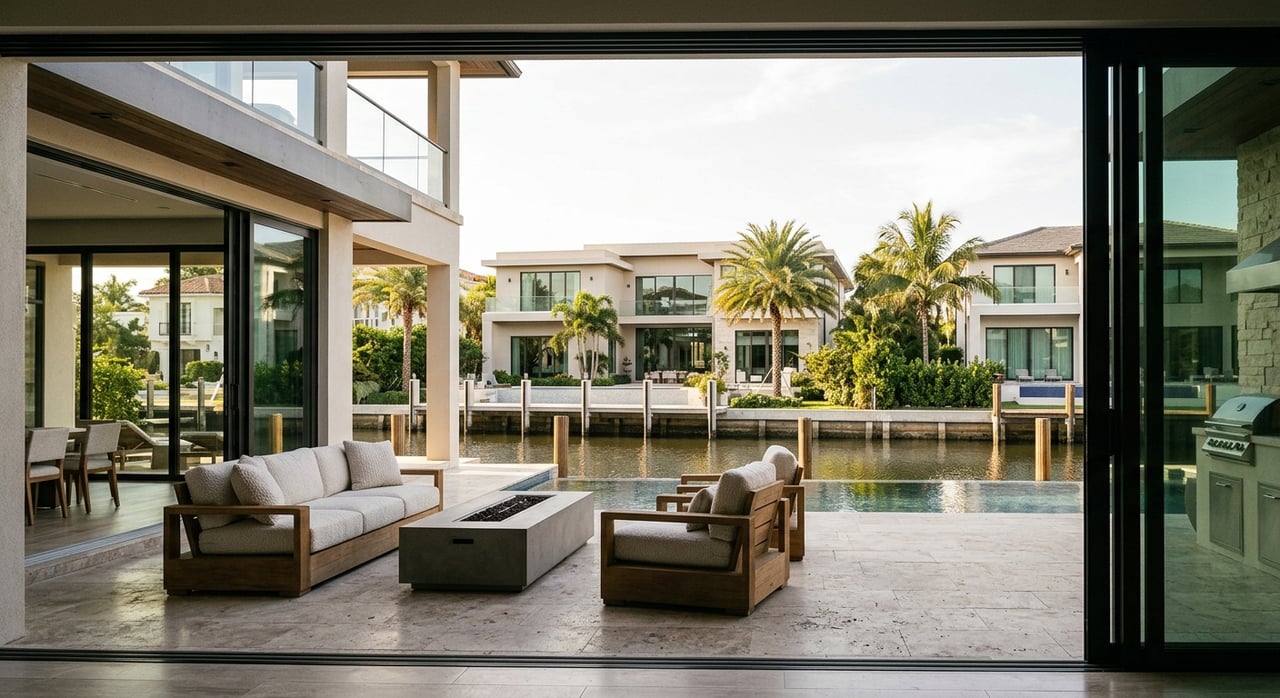
Ventura Keys. A canal and marina community for boaters. It is excellent for private docks and on-the-water recreation but is not a surf spot. Walkability for daily errands is lower than the Pier corridor, and the lifestyle centers on boating rather than surfing.
If ocean breezes, promenade walks, and easy surf checks fit your vision, we would love to guide you. The Palmieri Stein Group pairs neighborhood expertise with high-touch service to help you find the right fit and navigate HOA and City rules with confidence. Start your coastal home journey with the Palmieri Stein Group.
Stay up to date on the latest real estate trends.
Your real estate journey deserves a dedicated partner. At the Palmieri Stein Group, we deliver world-class service with a focus on personalized guidance, data-driven decisions, and luxury marketing.