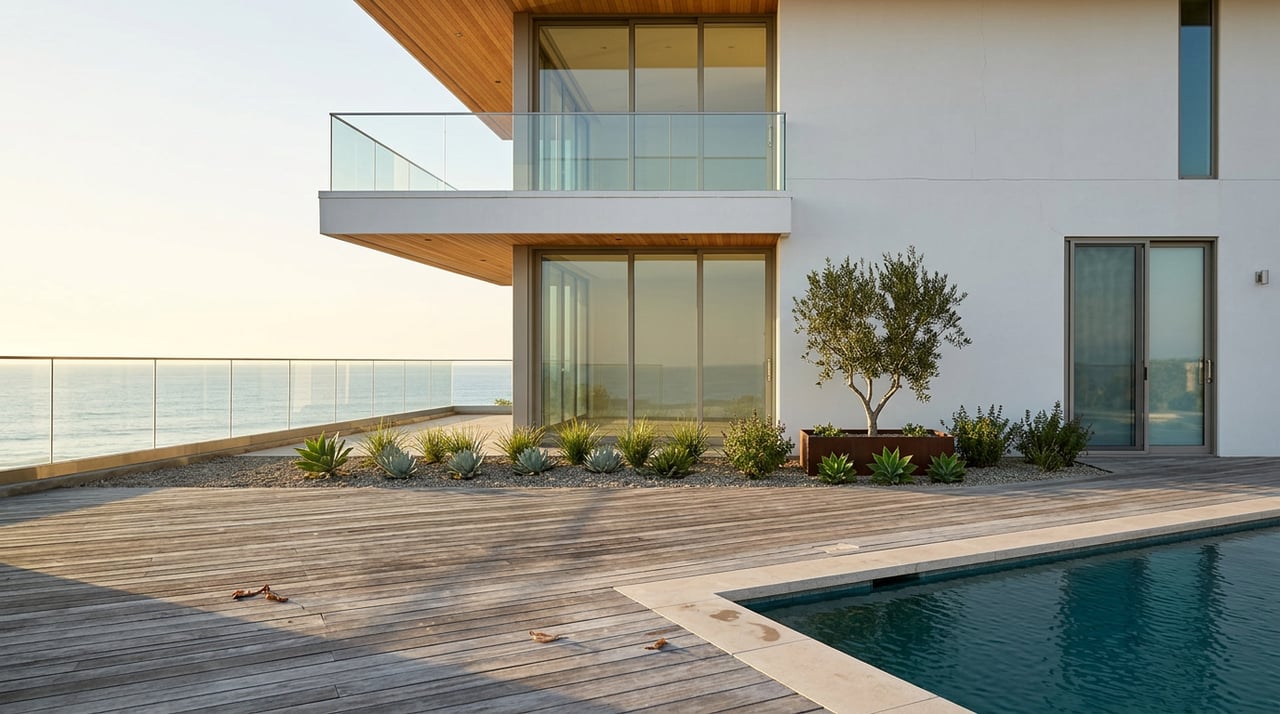
Selling An Oceanfront Home Along Ventura’s Coast Highway
March 24, 2026
March 24, 2026
Thinking about selling your oceanfront home along Ventura’s Coast Highway? You already know this stretch from Faria and Mussel Shoals to Solimar and Seacliff is unlike anywhere else. The views are unmatched, but the rules, pricing, inspections, and marketing are unique too. In this guide, you’ll learn how to price with confidence, prep for coastal inspections, time your launch, and market the lifestyle to serious local and out-of-area buyers. Let’s dive in.
Before you promise anything about past work or future potential, confirm who has jurisdiction over your property. Parts of the corridor are inside the City of Ventura, while others are in unincorporated Ventura County. Each uses a certified Local Coastal Program that guides permits and development. Start by verifying jurisdiction and permit pathways using the county’s summary of the Local Coastal Program.
If your property has shoreline protection like riprap or a seawall, know that shoreline armoring is tightly regulated and often discouraged unless needed to protect existing structures. Policies continue to evolve with sea-level rise planning. Gather permits, engineering letters, and any emergency repair documentation early. For context on Coastal Development Permit requirements, review the Coastal Commission’s CDP resources.
Development standards differ between city and county, and unpermitted decks, stairways, additions, or armoring can become buyer issues. Pull coastal and building permit histories ahead of listing. The county’s Coastal Zoning Ordinance provides useful references on setbacks and thresholds for work in unincorporated areas. Keep a copy of the Coastal Zoning Ordinance in your file.
Sea-level rise is a real planning factor buyers will ask about. Ventura County has published a sea-level rise vulnerability assessment that identifies areas with higher medium- to long-term exposure. Having that conversation ready shows you are transparent and prepared. You can reference the county’s sea-level rise vulnerability assessment to ground the discussion.
Finally, verify flood-zone status. Lenders often require flood insurance for homes in FEMA Special Flood Hazard Areas. An up-to-date flood-zone determination and, if applicable, an Elevation Certificate can reduce surprises during underwriting. Use the county’s portal that links to FEMA maps to check your parcel with the Ventura County floodplain mapping tool.
Oceanfront properties are scarce, and each parcel has unique view lines, access, and risk factors. That means pricing should be grounded in recent, truly comparable sales and strong documentation. Global research finds that waterfront homes often command a material premium over non-waterfront properties, but the size of that premium varies by market, lot, and risk profile. For a high-level read on the premium concept, see Knight Frank’s Waterfront Homes report.
To set a price that invites strong early interest without creating appraisal problems, focus on what buyers will weigh most:
Because true oceanfront comps are limited and some sales occur privately, widen your look-back period and work with a local team that routinely handles these micro-markets. Provide objective data in your marketing package to justify price: engineering letters, inspection summaries, permit histories, and insurance details.
Coastal homes face unique wear from salt air, wind, and moisture. A pre-listing inspection strategy can reduce renegotiation, speed closing, and support your asking price. An experienced waterfront inspector will look for accelerated corrosion, flashing and fastener failure, moisture intrusion, mold, and HVAC or electrical impacts from salt exposure. If you want a primer on why these checks matter, review this overview on coastal-specific inspection issues from the International Association of Home Inspectors.
Consider these specialty inspections before you list:
Practical repairs that often pay off include replacing corroded exterior fasteners and railings with marine-grade materials, refreshing coastal-rated coatings, servicing or replacing older HVAC units, and obtaining a fresh engineering letter on any shoreline protection. These items can reduce buyer concerns and help an appraiser support value.
California sellers must deliver the Transfer Disclosure Statement and the Natural Hazard Disclosure, among other forms. The NHD calls out mapped natural hazards such as flood, seismic, and fire. Having these ready, complete, and accurate builds trust and reduces friction. You can reference the state’s disclosure framework via the California Civil Code section on NHD requirements at FindLaw’s code library.
Assemble a clean, labeled digital package you can share with interested buyers and their lenders:
Be careful with marketing claims about beach access. Public trust rights and recorded easements can affect what you can promise. Avoid using “private beach” language unless clearly supported by recorded documents, and be precise about access points.
The right timing can shape first impressions and reach. For dramatic surf lifestyle visuals, fall and winter often deliver better swells along the Rincon and Ventura point-break corridor. For broad buyer appeal focused on sun and relaxed evenings, many sellers capture primary photography in late spring or summer.
A few simple scheduling moves can make a big difference:
Most oceanfront buyers begin their search online, and many are not local. High-quality, cinematic media helps convert online interest into in-person showings. Industry research shows growing reliance on video tours and digital channels to evaluate homes before traveling. If you want a data-backed overview of these trends, explore NAR’s resources on technology in real estate within the association’s research and statistics.
A strong media plan for the Ventura coast typically includes:
On MLS and portals, lead with visuals and concise, accurate captions. Highlight verified beach access, major upgrades, inspection highlights, and permit clarity. Be transparent about shoreline context to build trust and qualify serious buyers faster.
Put your best documentation forward on day one. Serious buyers and their lenders want to see a clear path to closing.
With clear facts and cinematic presentation, you attract better-qualified buyers and reduce back-and-forth during escrow.
Selling along Ventura’s Coast Highway rewards preparation. When you combine compliant permits and disclosures, coastal-savvy inspections, seasonally timed media, and story-led marketing, you give buyers every reason to say yes. If you are considering a sale in Faria, Mussel Shoals, Solimar, or Seacliff, let a local team guide you through every step and put your home in front of the right audience.
Have questions or want a pricing consult? Connect with the Palmieri Stein Group to start a conversation.
Stay up to date on the latest real estate trends.



Your real estate journey deserves a dedicated partner. At the Palmieri Stein Group, we deliver world-class service with a focus on personalized guidance, data-driven decisions, and luxury marketing.