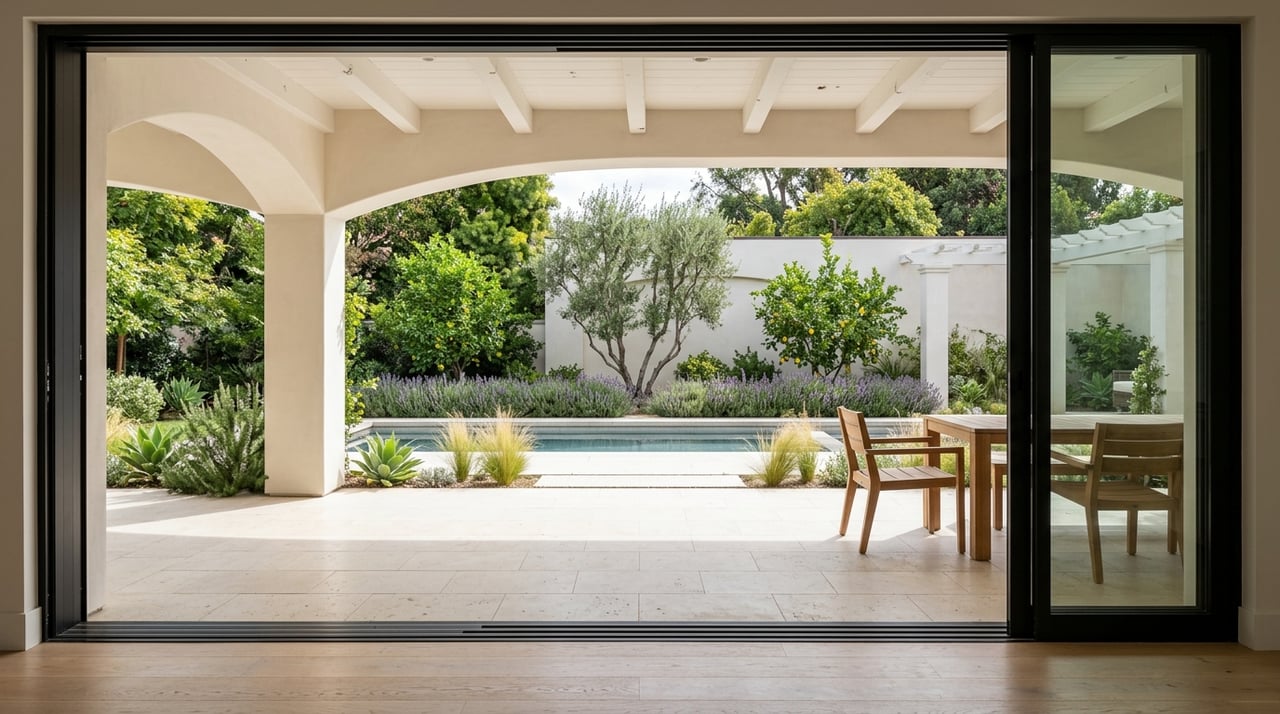
Ojai Second Home Guide: Choose the Right Retreat
May 7, 2026
May 7, 2026
Looking for a second home in Ojai is not just about finding a beautiful house. It is about choosing the kind of retreat you want to return to again and again. If you are weighing walkability, privacy, acreage, upkeep, or part-time use, Ojai gives you several distinct paths. This guide will help you sort through those trade-offs so you can choose a second home retreat in Ojai with more clarity and confidence. Let’s dive in.
Ojai stands out for buyers who want a slower-paced setting without giving up access to culture, recreation, and regional travel. The city describes itself as a small community of 7,557 people spread across four square miles, surrounded by large-lot estates, orchards, and hillsides. It has also long been known as a place associated with artists, musicians, and health-minded living.
That character matters when you are buying a second home. Ojai offers a compact downtown, a low-density valley setting, and a strong arts-and-wellness identity that feels different from busier Southern California destinations. For many buyers, that balance is exactly the point of owning a retreat.
Ojai also works well for weekend use. Downtown is highly walkable, the Ojai Valley Trail connects Ojai and Ventura, and the area is tied into regional travel through Ventura, Burbank, Santa Barbara, and Los Angeles airports. The local climate is Mediterranean, with hot, dry summers, mild winters, and most rainfall from October through April.
Before you compare homes, get specific about how you plan to use the property. A second home that feels perfect for quick weekend escapes may not be the right fit if you want space for gardens, guests, or more privacy. The best choice usually starts with your lifestyle, not just the listing photos.
Ask yourself a few simple questions:
Your answers will point you toward the right part of Ojai and help narrow the kind of property that makes sense.
Ojai is not one-size-fits-all. The village area, Arbolada, and East End each offer a different version of the retreat experience.
If you want easy, part-time use, the village and downtown area are often the most practical places to start. The city’s land-use planning describes these areas as mixing smaller residential lots with low-intensity commercial uses like lodging, offices, antique stores, and art galleries. The town center is intended to stay pedestrian-oriented and small in scale.
That matters when your second home is meant to simplify life. Ojai Visitors notes that stores, restaurants, and other downtown destinations sit within a two-block radius of Libbey Bowl. If you picture arriving on a Friday and spending the weekend on foot, this area may fit best.
If you want more privacy without feeling far from town, Arbolada offers a different experience. The city describes it as a subdivision with rock- and tree-lined streets that meander with the topography and create a strong sense of place. It feels more tucked away while still being close to Ojai’s center.
There are trade-offs to understand. The city’s bicycle and pedestrian plan notes that lower Arbolada has narrow, winding streets, dense oak cover, and recurring traffic-calming concerns. For some buyers, that setting is part of the appeal. For others, it adds practical questions about access, parking, and everyday ease.
If your idea of a retreat includes acreage, orchards, or a more rural feel, East End deserves a close look. The city characterizes this eastern corridor as orchard-filled, more rural, and still home to sizable parcels. New development is encouraged to fit the area’s rural character.
This part of Ojai can offer more physical separation from downtown. That extra space can be appealing, but it usually comes with more landscape management, more driving, and a more hands-on ownership experience. If peace and elbow room are high on your list, the trade-off may be worth it.
A second home can look idyllic on showing day and still be the wrong fit for your routine. In Ojai, the smartest decisions often come from matching the property to how often you will be there and how much maintenance you want to manage.
If you plan to visit often for short stays, convenience may matter more than lot size. A home near downtown may let you spend more of your time enjoying Ojai and less of it coordinating upkeep. If you want longer stays and value privacy, a larger property in Arbolada or East End may feel more restorative.
A useful way to frame it is this: choose the home that supports your real habits, not your vacation fantasy. The more honest you are about that now, the better your ownership experience is likely to be.
For second-home buyers, rental assumptions can cause expensive mistakes. In Ojai, this is one of the most important due-diligence steps.
The City of Ojai states that, effective May 9, 2024, unlawful short-term rentals and fractional vacation property operations are not allowed anywhere in the city. The city also states that sellers or their agents must disclose that fact to purchasers, and violations can lead to substantial fines.
The rules are different in unincorporated Ventura County. According to Ventura County’s TRU guidance, in the non-coastal zone of the unincorporated Ojai overlay, short-term rentals are not permitted unless the dwelling was classified as a historic landmark as of June 19, 2018, while homeshares are allowed with a permit.
That means you should confirm whether a property is inside Ojai city limits or in unincorporated county territory before you make any plans around rental use. Even nearby properties can fall under different rules.
In Ojai, ownership costs go beyond the mortgage and utilities. Wildfire exposure and landscape management should be part of your decision, especially if you are considering hillside or acreage properties.
Ventura County Fire says updated fire-hazard zone maps for local responsibility areas took effect July 1, 2025. The state fire marshal explains that these maps consider vegetation, terrain, wind, fire history, and ember movement. The state also recommends defensible space and home hardening.
Ojai’s wildfire resiliency planning makes another point clear: wildfire is not a one-time issue. Fuels management is ongoing, and property owners need to maintain structures, ornamental landscaping, and defensible space over time. Ventura County Fire also notes that if a parcel spans more than one fire-hazard zone, the highest zone applies.
For a second-home buyer, that translates into practical questions:
These are not side issues in Ojai. They are part of selecting the right retreat.
Charm is part of Ojai’s appeal, but older housing stock deserves careful review. The city’s 2021 housing element says more than 80 percent of Ojai’s housing stock was built before 1980. For second-home buyers, that makes inspections, repair planning, and deferred maintenance especially important.
The same document reported an estimated 8.7 percent vacancy rate in 2020 and said that the relatively high vacancy may reflect homes occupied seasonally as second homes. That is useful context because it suggests part-time ownership is already part of the local market. It also means you should think clearly about how an older home performs when it is not occupied full time.
When you evaluate a property, pay close attention to core systems, roof condition, exterior materials, irrigation, drainage, and anything that may become more noticeable during periods of vacancy. A beautiful retreat should also be dependable.
Ojai’s lifestyle calendar is part of what makes it attractive as a second-home destination. The Ojai Art Center has supported the arts since 1939, the Ojai Music Festival has been held since 1947 and takes place every June in Libbey Bowl, and the Ojai Valley Chamber lists the Lavender Festival in Libbey Park in June. The Sunday farmers market at the Arcade adds a recurring weekly draw.
Outdoor recreation is also a major part of the appeal. Local sources highlight bicycling, hiking, horseback riding, golf, tennis, fishing, camping, and guided trail experiences. Ventura County Parks lists nearby assets such as the Ojai Valley Trail, Shelf Road Trail, Soule Park, and Sulphur Mountain Trail, while the Forest Service notes that Wheeler Gorge Visitor Center is about 8 miles north of Ojai.
Taken together, Ojai’s climate and event calendar suggest that spring and early summer can feel especially active. Hotter, drier summer weather and festival weekends may shape how busy the town feels at certain times of year. If possible, visit on both a quieter weekend and an event weekend so you can experience the rhythm for yourself.
When you are narrowing options, keep your process simple and practical. A few clear checkpoints can save you from choosing a property that looks right but lives wrong.
The right second home retreat in Ojai is usually the one that fits your pace, your maintenance tolerance, and your reasons for being there in the first place.
If you are exploring Ojai or other Ventura County lifestyle properties, the right guidance can help you compare not just homes, but ownership realities. Palmieri Stein Group offers high-touch local insight to help you evaluate location, lifestyle fit, and the details that matter for a confident second-home purchase.
Stay up to date on the latest real estate trends.

Your real estate journey deserves a dedicated partner. At the Palmieri Stein Group, we deliver world-class service with a focus on personalized guidance, data-driven decisions, and luxury marketing.