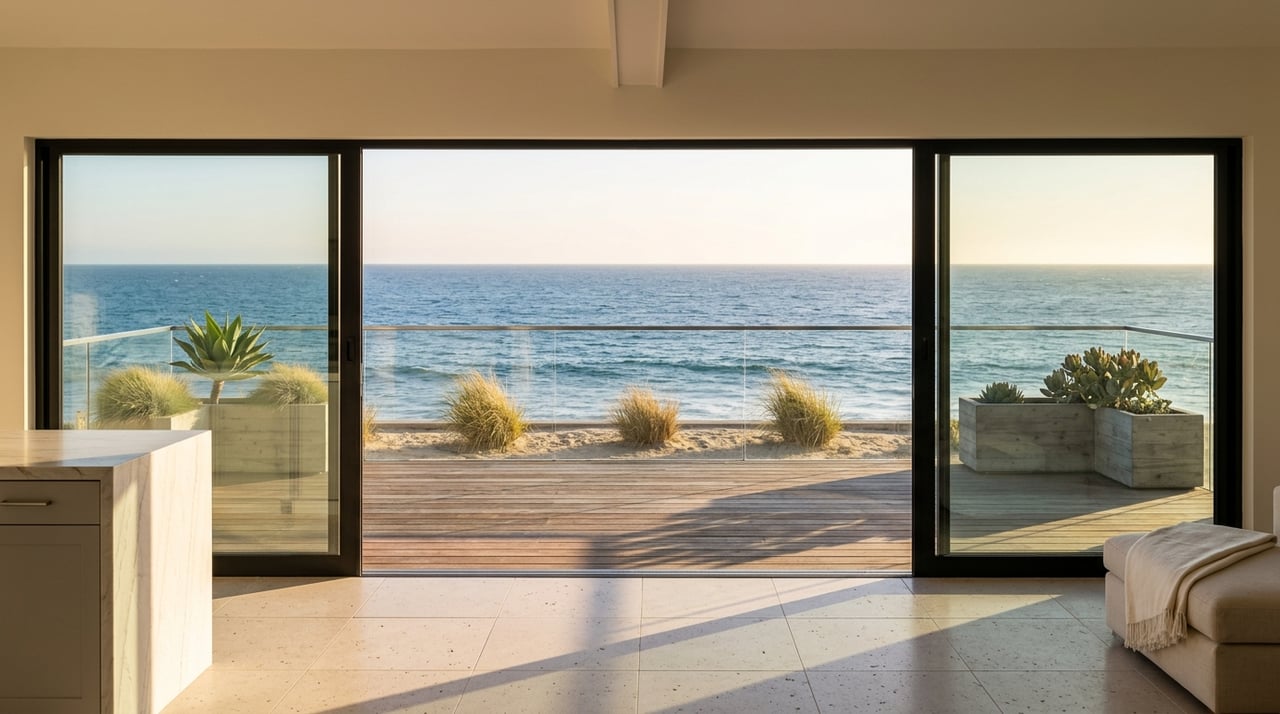
Exploring Faria and Rincon Oceanfront Homes in Ventura
June 11, 2026
June 11, 2026
If you have ever looked at Ventura’s North Coast and thought it was one long beach neighborhood, you are not alone. In reality, this shoreline is a string of small, very different enclaves, each with its own rhythm, beach access pattern, home style, and surf identity. If you are thinking about buying here, understanding those differences can help you narrow your search and ask smarter questions before you fall in love with a view. Let’s dive in.
Ventura County’s Coastal Area Plan identifies this stretch as a chain of small communities that includes Faria, Mussel Shoals, Rincon Point, Solimar, and Seacliff. On a map, they sit close together along the same dramatic coastline north of Ventura. In day-to-day ownership, though, they can feel worlds apart.
One reason is that buyers often blend three separate things into one idea: the residential enclave, the public beach or park beside it, and the surf break offshore. That matters here. Faria Beach Park and Rincon Parkway are public recreation assets, for example, but they are not housing enclaves.
Another reason is the coast itself. County planning materials note that much of the North Coast is highly exposed to coastal hazards, with seawalls or rock revetments common across several colonies. That means your decision is not only about ocean views and beach culture. It is also about shoreline protection, access, maintenance, and long-range resilience.
Faria is a 20.7-acre residential area west of U.S. 101, about 5.5 miles north of Ventura. It stands out for being especially park-adjacent, with Faria Beach Park right next door. That gives this part of the coast one of the most developed public amenity packages nearby.
County materials say the beachfront lots at Faria each have shoreline protective devices, which has created a more varied lot-by-lot pattern rather than a uniform tract look. The county’s 2024 draft planning materials also flag continuing erosion and high-tide flooding issues here. For surf, Faria Beach is known as a reasonably exposed beach and reef break with fairly consistent waves.
Mussel Shoals is a 5.6-acre mixed-density residential area west of U.S. 101 and Old Coast Highway. County planning documents describe about 48 residential units, a hotel, and a shuttered pier or causeway tied to Rincon Island. The result is a compact coastal setting that feels more rustic and less polished than some nearby enclaves.
County materials also note seasonal sand fluctuations, a seawall added after the 1978 winter storms, and rock revetments where the community meets the beach. For surf-minded buyers, Little Rincon or Mussel Shoals is widely viewed as a right-hand point break or reef-and-point setup. It often appeals to people who want something more low-key than the bigger-name breaks nearby.
Rincon Point is the best-known surf enclave in this lineup. The county describes it as a 9.4-acre residential area with controlled access, and county permit materials specifically identify it as a gated residential community. If privacy and surf culture are both high on your list, this is the place many buyers ask about first.
It also stands apart physically. County planning notes that Rincon Point is the only North Coast beach in this group without extensive shoreline protective devices, so the beach profile changes more naturally than in the more armored colonies nearby. Offshore, Rincon is widely recognized as a classic California point break with long right-hand rides, which gives the enclave a distinct identity even among serious coastal buyers.
Solimar is an 11.34-acre residential community between Old Coast Highway and the beach, about 3.75 miles north of Ventura. County staff describe Solimar Beach Colony as a gated residential community. Architecturally, it tends to show more multi-level homes and elevated construction patterns than some of its neighbors.
County findings describe an eclectic mix of modern, neocolonial, and ranch-influenced homes, with many beachfront properties designed around garage or storage space below the main living areas. That layout reflects coastal hazard realities as much as style. Solimar Beach Colony’s HOA owns the revetment, and county planners note that erosion is weakening it.
Seacliff is another small North Coast enclave, also identified in county materials as an 11.34-acre area with single-family homes. The county places the community at roughly 49 residential units protected by a community-owned rock revetment. Seacliff reads more like a beach neighborhood with shared coastal infrastructure than a surf-first destination.
County planning documents note that the Highway 101 overpass north of the colony disrupted sand transport and beach replenishment. The county’s June 2024 draft says homes here flood during storms and high tides, the revetment is deteriorating, and accessways were modified to improve public access. Living here means weighing the appeal of an intimate shoreline setting against the realities of ongoing coastal management.
If you are trying to decide where to focus, it helps to compare these enclaves across four simple categories: privacy, home form, beach access, and surf character.
| Enclave | Privacy level | Home style | Beach access context | Surf character |
|---|---|---|---|---|
| Faria | More open residential strip | Varied lot-by-lot configurations | Next to Faria Beach Park with camping, showers, hookups, Wi-Fi, concession stand, and limited parking | Beach and reef break with fairly consistent surf |
| Mussel Shoals | More open, mixed-use feel | Mixed-density rather than uniform | Coastal access tied to its compact setting rather than a gated colony format | Intimate right-hand point or reef-and-point setup |
| Rincon Point | Controlled-access, gated community | Small-lot single-family | Residential enclave distinct from the famous surf break offshore | Classic right-hand point break |
| Solimar | Gated residential community | Often multi-level, elevated construction | Public beach access includes a named stairway access point | More variable beach or beach-and-reef feel |
| Seacliff | HOA-protected beach neighborhood | Mostly single-family | Next to Hobson Beach Park with improved accessways | More beach-and-park oriented than surf-brag oriented |
One of the biggest surprises for buyers is how different beach access can feel from one enclave to the next. A home may sit on the coast, but your practical access pattern can depend on public stairs, neighboring parks, shoreline protection, and the shape of the beach during different conditions.
At Faria, the public park next door gives you the clearest day-use and camping infrastructure in this stretch. According to Ventura County Parks, Faria Beach Park includes camping, showers, full hookups, Wi-Fi, and a concession stand, though parking is limited. That makes Faria feel more connected to public coastal recreation than some of the more enclosed colonies.
Solimar has a named public stairway access point, which matters if regular beach use is part of your lifestyle. Seacliff sits beside Hobson Beach Park and has modified accessways intended to improve public access. In contrast, Rincon Parkway is RV camping only with no day-use section, no hookups, no water, and no toilets, so it should not be mistaken for a residential neighborhood.
Even if you are not buying purely for surf, the surf identity of a place often affects its reputation, pace, and buyer pool. That is especially true on Ventura’s North Coast, where some communities are known as much for the waves offshore as for the homes on land.
Rincon Point is the marquee name. It carries the strongest connection to a world-famous right-hand point break, which gives it a premium, highly specific lifestyle appeal. Buyers drawn there are often looking for a rare blend of controlled access, strong place identity, and immediate proximity to one of California’s most recognized surf settings.
Mussel Shoals offers a different mood. Its surf identity is more intimate and less headline-driven, which fits its smaller, rougher-around-the-edges setting. Faria and Solimar tend to read as more variable beach or reef environments, while Seacliff is typically more tied to the broader beach-and-park experience than to a singular surf label.
Here is the practical side of buying on this stretch: these are lifestyle purchases, but they are also coastal engineering stories. County planning materials state that higher sea-level-rise scenarios could leave shoreline protective devices at Seacliff, Solimar, Faria, and Mussel Shoals regularly exposed to tidal flooding. That alone makes due diligence especially important.
The county also notes current issues such as erosion, high-tide flooding, weakening revetments, and storm-related flooding in several of these enclaves. Rincon Point stands apart because it lacks extensive shoreline protection, which means its beach changes more naturally. None of this makes one enclave universally better than another, but it does mean you should evaluate each property with a clear understanding of access, protective structures, and maintenance responsibilities.
If you want a residential stretch with easy association to public beach amenities, Faria deserves a close look. It is well suited to buyers who value quick access to day-use and camping infrastructure nearby and do not need the feel of a gated colony. You should also be comfortable with a less uniform housing pattern and active coastal considerations.
Mussel Shoals may appeal if you prefer something compact, quirky, and less polished. Its mixed-density pattern, hotel presence, and modest scale create a very different experience from a more conventional beach colony. Buyers who like authenticity and a more tucked-in surf atmosphere often find it intriguing.
Rincon Point is the natural fit if you are looking for controlled access, strong surf identity, and one of the most recognized names on this coast. It offers a highly defined sense of place. For many buyers, that clarity is the draw.
Solimar often makes sense for buyers who want a gated setting and are comfortable with homes shaped by coastal design constraints. The elevated, multi-level form seen in many properties can support views and function in a narrow oceanfront setting. It is a practical and lifestyle-driven choice at the same time.
Seacliff is a strong option if you are drawn to a small coastal neighborhood with nearby park access and mostly single-family homes. It feels less surf-branded and more residential in tone. That can be a real advantage if you want the coast without centering your search on a marquee break.
Before you tour homes along this stretch, decide what matters most in your daily life. Do you want gated privacy, easier public access, a stronger surf identity, or a neighborhood feel that is less centered on status and more centered on the shoreline itself? Those answers usually point you toward the right enclave quickly.
It also helps to ask specific property-level questions early. How is the beach accessed? What shoreline protection is present, and who maintains it? How does the home’s design respond to flooding, erosion, elevation, or setback constraints? On Ventura’s North Coast, those are not side questions. They are part of the core buying decision.
If you are exploring Ventura’s surfside enclaves and want clear, local guidance on how these micro-markets compare, the Palmieri Stein Group can help you evaluate the lifestyle, access, and ownership details that matter most.
Stay up to date on the latest real estate trends.
Your real estate journey deserves a dedicated partner. At the Palmieri Stein Group, we deliver world-class service with a focus on personalized guidance, data-driven decisions, and luxury marketing.