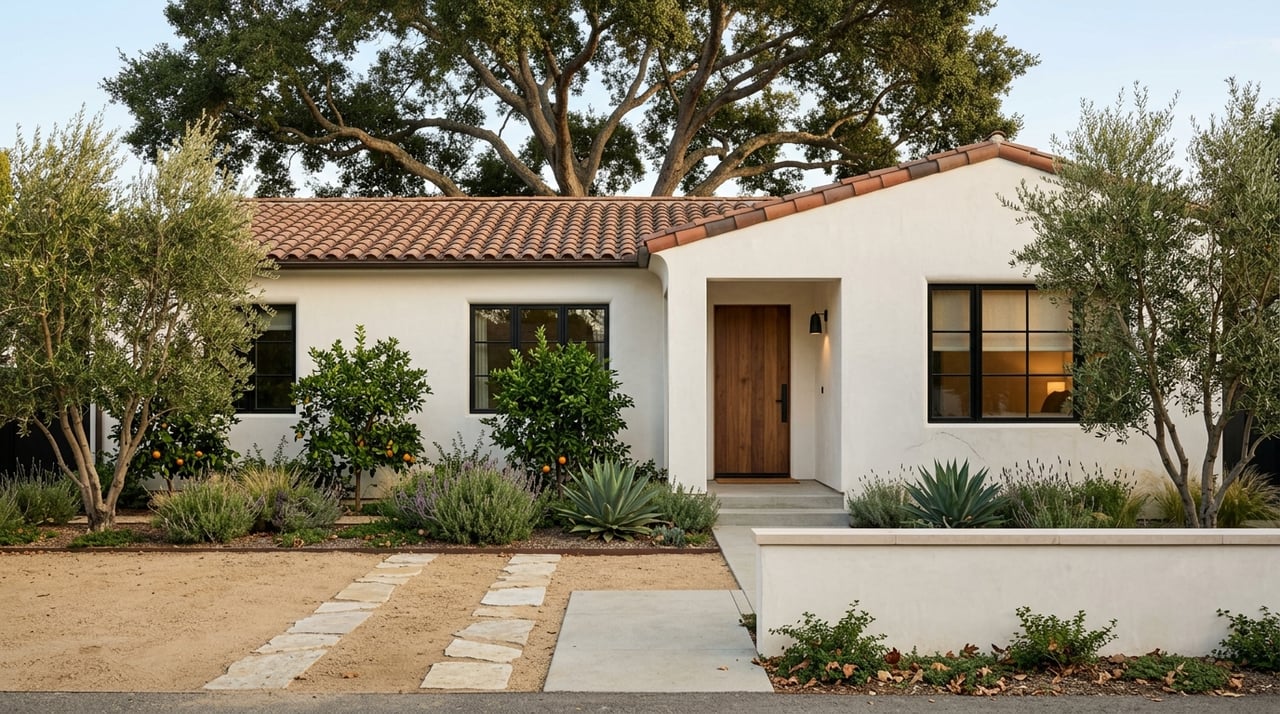
Ojai Neighborhoods for Homebuyers by Lifestyle
June 4, 2026
June 4, 2026
Dreaming about Ojai but not sure which part of town fits your day-to-day life? In a city this small, the differences are less about long commutes and more about how you want to live, whether that means walking to the village, enjoying mature trees and architectural character, or prioritizing privacy and acreage. If you are comparing Ojai neighborhoods, understanding those subtle lifestyle shifts can help you focus your home search with more confidence. Let’s dive in.
Ojai is a compact city of about 4 square miles with roughly 7,400 people, set in a valley near Los Padres National Forest and about 12 miles north of Ventura and the Pacific Ocean. The city is known for its Mediterranean climate, Mission Revival architecture, tree-lined streets, mountain views, festivals, and independent businesses.
That setting gives Ojai a lifestyle that feels both connected and relaxed. Because the city is small, many buyers are not choosing between completely separate districts. Instead, you are choosing the rhythm that suits you best, from village-centered living to quieter residential streets and more secluded estate settings.
When you tour Ojai, one thing becomes clear quickly: lifestyle here is shaped by how you move through town. The village core is compact, and the Ojai Valley Trail plays a meaningful role in daily life for cyclists, walkers, runners, and equestrians.
That means your neighborhood choice often comes down to a few practical questions:
Those priorities can point you toward very different parts of Ojai, even within a small geographic area.
For many buyers, the most walkable part of Ojai is downtown and the nearby streets around Ojai Avenue, Libbey Park, Matilija Street, Signal Street, and the public art tour corridor. This area is where Ojai’s civic and social life feels most visible and most accessible.
Libbey Park is a major anchor right in downtown. It includes playgrounds, tennis courts, a bandstand, Libbey Bowl, and hosts well-known local events such as the Ojai Music Festival and the Ojai Tennis Tournament.
City planning documents describe the town-center and village-edge area as smaller-lot, pedestrian-scaled, and mixed-use. Older neighborhoods near downtown tend to follow a grid pattern and include individually built homes, narrow paths or sidewalks, and a mix of Victorian, Craftsman, and small masonry commercial buildings.
If you want the easiest daily routine, this is often the strongest fit. You may appreciate being able to stay close to cafés, parks, shops, and community events without relying on a longer drive for every errand.
This part of town can also appeal if you like being in the middle of Ojai’s public life. The tradeoff is that the feeling is generally more social and active than in the more secluded residential pockets.
Here, the appeal is convenience and connection. You are choosing a pedestrian-friendly setting with classic Ojai character and a stronger sense of being plugged into the town’s everyday energy.
Architecturally, this area reflects some of the city’s older layers. You may see Victorian and Craftsman influences alongside the smaller-scale commercial buildings that help define the village atmosphere.
If you want to stay in town but prefer a more tucked-away feel, Arbolada stands out. City documents say the area was preserved in the 1920s for residential estate parcels of about one to two acres and was originally laid out with winding lanes to preserve trees.
That planning history still shapes the neighborhood today. The streets are relatively narrow, there are no sidewalks or parkways, and the road pattern follows the topography rather than a strict grid.
The city’s General Plan describes Arbolada as having rock- and tree-lined streets that create a strong sense of place. For buyers, that often translates into a more private and distinctly residential experience while still being part of in-town Ojai.
Arbolada is especially compelling if mature landscaping and architectural character are high on your list. Historical city materials connect the area to early 20th-century development and note notable Spanish Colonial Revival examples, including homes designed by George Washington Smith.
In practical terms, this neighborhood may feel like the right match if you want:
Arbolada offers one of Ojai’s clearest blends of proximity and privacy. You are still close to town, but the day-to-day feeling is more sheltered, more landscaped, and less centered on foot traffic.
For some buyers, that balance is the sweet spot. It captures the romance of Ojai’s older residential identity without pushing fully into a rural or gated setting.
East End offers a different kind of appeal. City design guidelines for East Ojai Avenue describe the area as a transition from rural and agrarian roots toward a future that serves both visitors and local residents.
The city emphasizes a more pedestrian-friendly atmosphere here, but also more openness than the town core. The guidelines also point to protected views of surrounding hillsides and stronger landscaping as key elements of the corridor.
For buyers, East End can make sense if you want to stay close to the village while enjoying a less dense setting. Compared with the center of town, it tends to read as more open, more transitional, and a bit less formal.
The architectural character also feels more eclectic. Rather than the tighter, more concentrated village pattern, this area has a broader edge-of-town quality that may appeal if you want breathing room without giving up access to Ojai’s central amenities.
East End may be worth a closer look if you are looking for:
If privacy is your top priority, Rancho Matilija stands apart from the more central in-town neighborhoods. Ventura County planning staff describe it as a gated community with lots averaging about 2.5 acres and single-family dwellings.
That creates a very different living pattern from downtown Ojai, Arbolada, or East End. Here, the focus is much more on seclusion, estate-scale parcels, and a gated setting.
This area may be the strongest fit if you are searching for:
For the right buyer, that extra privacy is the point. The tradeoff is that daily life is less about stepping into the village on foot and more about enjoying space and a quieter setting.
When buyers compare Ojai neighborhoods, the best choice usually comes down to lifestyle rather than distance. Since Ojai is so compact, you are often deciding how you want home to feel, not how far away you want to be.
A simple way to narrow your options is to match your priorities to the neighborhood pattern.
| Buyer Priority | Best Match in Ojai |
|---|---|
| Walkability and easy errands | Downtown Ojai and adjacent village streets |
| Quiet in-town setting | Arbolada |
| Open, edge-of-town feel | East End |
| Privacy, acreage, gated living | Rancho Matilija |
Before you schedule showings, think about your ideal routine:
The clearer you are on those answers, the easier it becomes to focus on the right part of Ojai.
Ojai is not a market where broad labels tell the whole story. Because the city is small and the differences are subtle, buyers benefit from neighborhood guidance that goes beyond square footage and price point.
That is especially true if you are buying from outside the area or comparing Ojai to other Ventura County lifestyle markets. Understanding the difference between a walkable village block, a tree-lined estate lane, a more open transitional corridor, and a gated acreage community can shape not just your purchase, but your everyday experience after move-in.
If you are considering Ojai, the goal is not just to find a home. It is to find the version of Ojai that feels most like yours.
Ready to explore Ojai with a clear strategy and local perspective? Connect with Palmieri Stein Group for personalized guidance on finding the right Ventura County lifestyle home for you.
Stay up to date on the latest real estate trends.
Your real estate journey deserves a dedicated partner. At the Palmieri Stein Group, we deliver world-class service with a focus on personalized guidance, data-driven decisions, and luxury marketing.